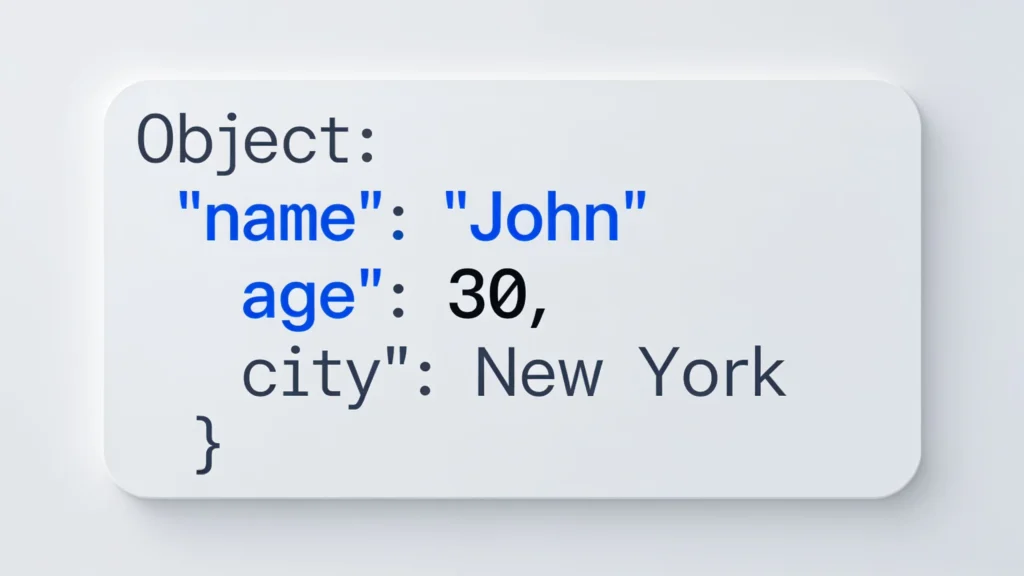
The return statement in JavaScript serves a fundamental role in defining the output of a function. When a function executes a return statement, it effectively hands back a value to the caller. This value can be anything from a simple number or string to complex objects.
Understanding how the return statement operates especially important for writing effective functions. When a return statement is executed, the function immediately ceases execution, and control is passed back to the calling code. Any code following the return statement within the function will not run.
function add(a, b) {
  return a + b;
}

const sum = add(5, 3); // sum will be 8
In the example above, the add function takes two parameters, a and b, and returns their sum. The result is then stored in the variable sum. It is important to note that if a function does not explicitly return a value, it returns undefined by default.
function noReturn() {
  let x = 10;
}

const result = noReturn(); // result will be undefined

Highwings 8K 10K 4K HDMI Cable 48Gbps 6.6FT/2M, Certified Ultra High Speed 2.1 HDMI Cable Braided Cord-4K@120Hz 8K@60Hz, DTS:X, HDCP 2.2 & 2.3, HDR 10 Compatible with DVD Player/PS5/HDTV/Blu-ray
$5.99 (as of July 20, 2026 03:55 GMT +00:00 - More infoProduct prices and availability are accurate as of the date/time indicated and are subject to change. Any price and availability information displayed on [relevant Amazon Site(s), as applicable] at the time of purchase will apply to the purchase of this product.)Common pitfalls when returning values from functions
One common pitfall is returning values that are not what the caller expects. This often happens when a function is designed to return a specific type of data but ends up returning something else due to a logic error or incorrect assumptions about the input.
function divide(a, b) {
  if (b === 0) {
    return "Cannot divide by zero"; // Returning a string instead of a number
  }
  return a / b;
}

const result = divide(10, 0); // result will be "Cannot divide by zero"
In this example, the divide function is expected to return a number. However, when division by zero occurs, it returns a string instead. This can lead to confusion and bugs in the code that consumes this function’s output.
Another common issue arises with functions that return multiple values in unexpected ways, such as returning an array or an object but not documenting this clearly. Callers may not know how to properly destructure the return value, leading to further complications.
function getCoordinates() {
  return [100, 200]; // Returns an array of coordinates
}

const coords = getCoordinates();
console.log(coords[0]); // Accessing the first element
While this approach works, it can be less clear than returning an object with named properties. This enhances readability and helps prevent confusion about what each value represents.
function getCoordinates() {
  return { x: 100, y: 200 }; // Returning an object instead
}

const { x, y } = getCoordinates();
console.log(x); // Accessing x property directly
When designing functions, it’s also crucial to ensure that they consistently return values, particularly in conditional branches. If a function has multiple return paths, it can inadvertently lead to situations where some paths do not return a value.
function checkAge(age) {
  if (age >= 18) {
    return true;
  } else if (age < 0) {
    // No return here, which can lead to undefined
  }
  return false;
}

const isAdult = checkAge(16); // isAdult will be false
const invalidCheck = checkAge(-1); // invalidCheck will be undefined
In this case, if the age is negative, the function does not return anything, which means the caller receives undefined. This kind of behavior can lead to difficult-to-trace bugs and unexpected results.
Best practices suggest that functions should always return a value, even if that value is null or undefined. This ensures that the function’s behavior is predictable and can be relied upon by the calling code.
function checkAge(age) {
  if (age >= 18) {
    return true;
  } else if (age < 0) {
    return null; // Clear indication of an invalid input
  }
  return false;
}

const isAdult = checkAge(16); // isAdult will be false
const invalidCheck = checkAge(-1); // invalidCheck will be null
Returning meaningful values is essential to maintain clarity in your code. In addition to ensuring consistent return types, consider the context in which your function will be used and design its return values accordingly. Functions that return descriptive error messages or status codes can provide valuable feedback to the caller, enhancing debugging and error handling.
function divide(a, b) {
  if (b === 0) {
    return { error: "Cannot divide by zero" }; // Returning an object with a clear message
  }
  return { result: a / b };
}

const result = divide(10, 0); // result will be an object with an error message
By structuring return values this way, you provide a clear contract for the function’s output, allowing the caller to handle different outcomes effectively. This leads to more robust and maintainable code, which is the goal of any good programming practice.
Best practices for designing functions that return meaningful data
Another important consideration is to avoid side effects within functions that are meant to return data. A function should ideally do one thing: either perform an action or compute and return a value, but not both. Mixing these responsibilities can lead to unpredictable behavior and harder-to-maintain code.
function getUserName(user) {
  console.log("Fetching user name..."); // Side effect
  return user.name;
}
While logging can be helpful during development, leaving such side effects in production code that’s primarily responsible for returning data can clutter the output and complicate testing. Instead, separate concerns by having one function return data and another handle logging or UI updates.
When it comes to asynchronous functions, returning meaningful data means carefully handling promises and async/await syntax. Always return a promise that resolves to the expected data structure, and avoid returning raw promises without consideration of the caller’s needs.
async function fetchUserData(userId) {
  const response = await fetch(/api/users/${userId}); if (!response.ok) { return { error: "Failed to fetch user data" }; } const data = await response.json(); return data; } fetchUserData(123).then(userData => { if (userData.error) { console.error(userData.error); } else { console.log(userData); } });
In this example, the function returns an object either containing the user data or an error message, allowing the caller to handle both scenarios cleanly. This pattern is preferable over throwing errors that must be caught separately, especially when the function’s consumer might prefer handling errors inline.
It’s also worth considering that functions should avoid returning overly complex or deeply nested structures unless necessary. Flattening data or returning only what the caller needs reduces cognitive load and prevents misuse.
function getUserSummary(user) {
  return {
    id: user.id,
    name: user.name,
    email: user.email
    // Avoid returning the entire user object with sensitive or irrelevant data
  };
}
Lastly, document your function’s return values clearly, especially when returning objects with multiple properties or potential error states. This documentation acts as a contract that helps other developers (and future you) understand exactly what to expect.
/**
 * Retrieves user summary information.
 * @param {Object} user - The user object.
 * @returns {Object} An object containing id, name, and email properties.
 */
function getUserSummary(user) {
  return {
    id: user.id,
    name: user.name,
    email: user.email
  };
}