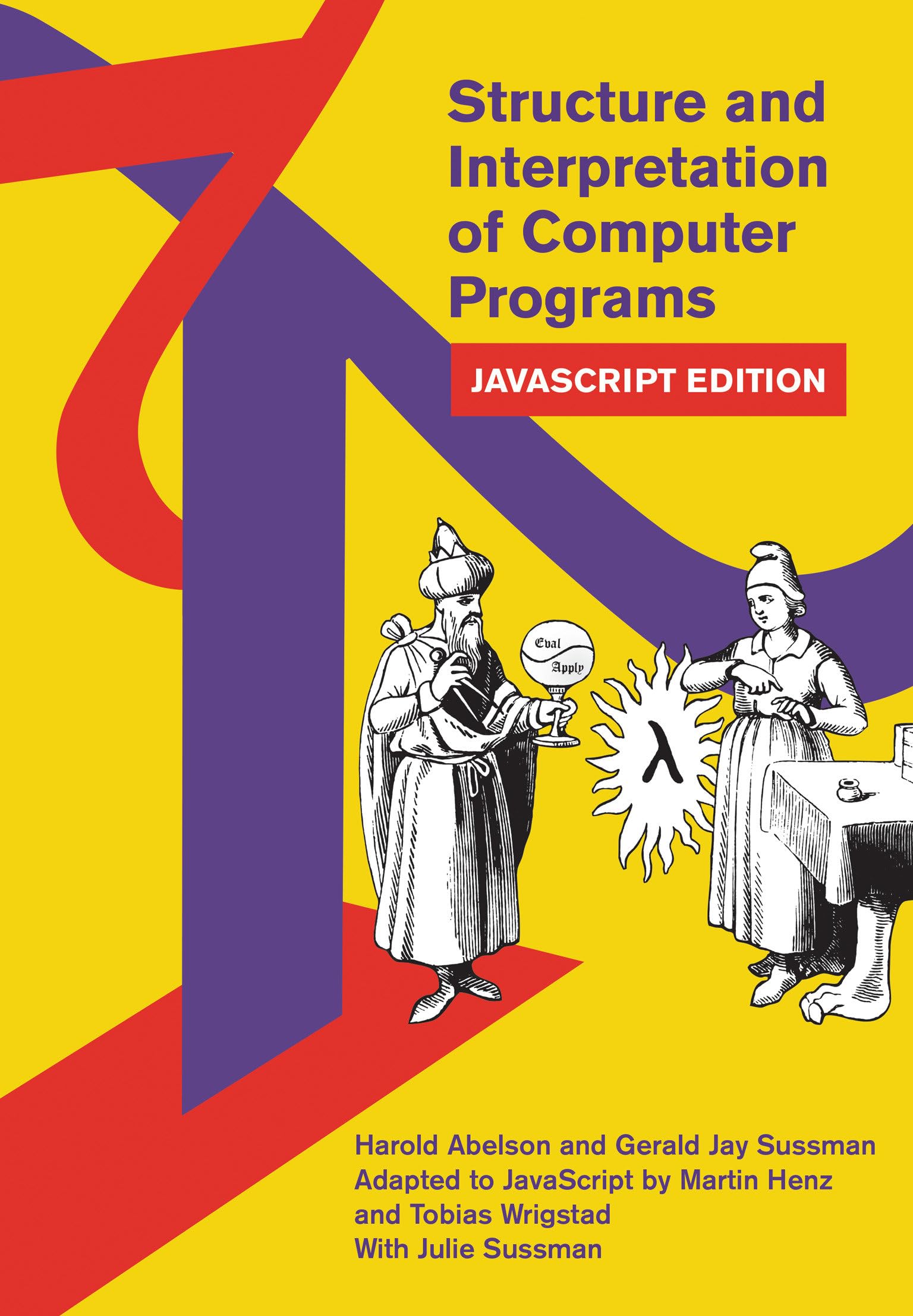
I’ve always been a fan of books that dive deep into the fundamentals of programming, the kind that make you rethink how you build software. The JavaScript edition of “Structure and Interpretation of Computer Programs” is one of those gems—it’s like the original SICP book, but updated for the web world we live in today. If you are tinkering with code and want to go beyond just slapping together apps, this is your ticket.
Why It’s a Game-Changer for Budding Programmers
This book doesn’t just teach JavaScript; it teaches you how to think like a real programmer. Paul Graham once said something about how the best hackers are the ones who understand the underlying principles, not just the syntax. That is exactly what this does—it starts with basic concepts and builds up to complex ideas, using JavaScript to show you the magic of recursion, data abstraction, and interpreters. It is practical in the best way: you’ll end up writing code that actually works and scales.
For Whom The book Is Meant
If you are someone who’s just starting out in programming or feels stuck in the surface-level tutorials, grab the book. It’s ideal for self-learners, college students in computer science, or even experienced devs who want to sharpen their skills. Here’s some straight talk on how to make the most of it:
- Build a strong foundation: Work through the exercises—don’t skip them. They’ll help you understand core concepts that apply to any language, not just JavaScript, so you’ll be better at debugging and designing software in the long run.
- Pair it with real projects: As you read, try applying what you learn to a personal project, like building a simple web app. This isn’t just theory; it’s about turning ideas into code that solves problems.
- Avoid the hype cycle: With an emphasis on full of flashy frameworks, this book reminds you that lasting skills come from grasping the basics. If you’re aiming to be a solid engineer, not just a trend follower, it’ll keep you grounded.
- Make time for it: It’s not a quick read—think of it as a investment. Set aside regular time, maybe an hour a day, and discuss chapters with friends or online communities to really lock in the lessons.
At the end of the day, books like this one are what separate the amateurs from the pros. If you’re serious about programming and want to create things that matter, give this a shot—it’s one of those reads that sticks with you.