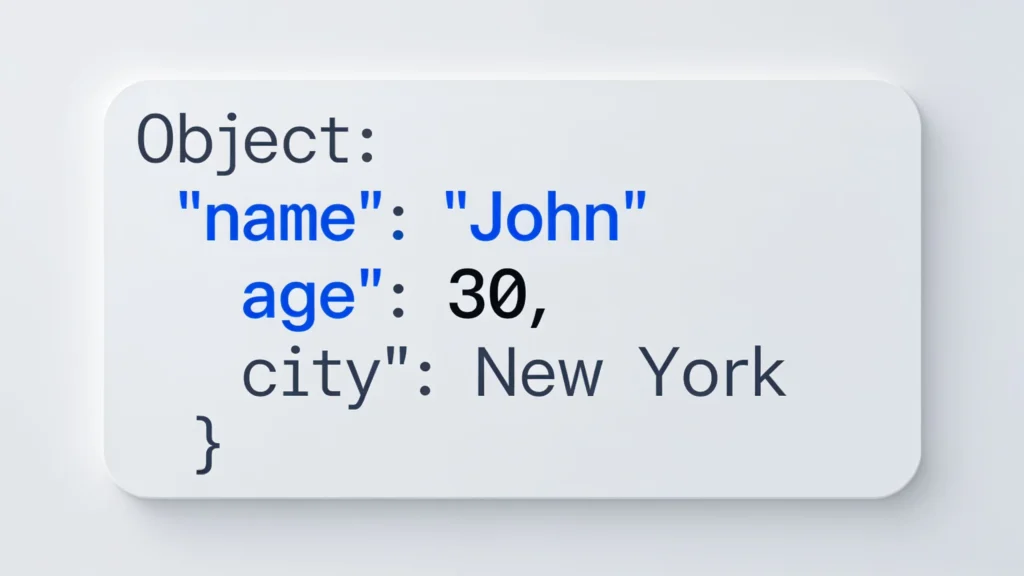
Memory allocation is a fundamental aspect of programming that directly influences performance and behavior. When you allocate memory for variables and objects, you are not just reserving space; you’re also making decisions about the lifecycle and accessibility of those entities within your application.
Consider the stack and heap as two different areas of memory allocation. The stack is primarily used for static memory allocation, where the lifetime of variables is tied to the scope in which they were declared. This makes stack allocation fast and efficient, but it can also lead to limitations. For example, if you try to return a reference to a stack-allocated variable from a function, you may encounter undefined behavior since that space is reclaimed once the function exits.
function example() {
  let value = 42; // stack allocated
  return value;
}

let result = example(); // safe, as result is a copy
The heap, on the other hand, allows for dynamic memory allocation, which is essential for creating objects whose sizes may not be known at compile time. However, it comes with its own set of challenges, including fragmentation and the need for manual management. Allocating memory on the heap can be slower, and if not handled properly, it can lead to memory leaks, where memory is allocated but never freed.
class Person {
  constructor(name) {
    this.name = name; // heap allocated
  }
}

let john = new Person("John");
When you understand how memory allocation works, you can make more informed choices about where to allocate your resources. For instance, if you know that an object will only be needed temporarily, consider creating it on the stack if possible. This minimizes the overhead associated with garbage collection and reduces the chances of memory leaks.
Moreover, knowing the implications of memory allocation helps in optimizing performance. If your application is heavily reliant on object creation and destruction, you might want to implement object pooling. This technique allows you to reuse objects instead of continuously allocating and deallocating memory, which can lead to smoother performance.
class ObjectPool {
  constructor() {
    this.pool = [];
  }

  getObject() {
    return this.pool.length ? this.pool.pop() : new MyObject();
  }

  returnObject(obj) {
    this.pool.push(obj);
  }
}
Being conscious of how memory allocation shapes your program can lead to better design decisions, ultimately resulting in cleaner, more maintainable code. It encourages developers to think critically about resource management and the potential pitfalls of dynamic allocation. As you delve deeper into your coding practices, consider how these concepts apply to your work, and always strive to write code that’s both efficient and elegant.

WHOOP 5.0/MG Activity Tracker - 12 Month Membership - Health and Fitness Wearable – 24/7 Activity and Sleep Tracker, Personalized Coaching, Menstrual Cycle Insights – 14+ Days Battery Life
$239.00 (as of July 20, 2026 03:55 GMT +00:00 - More infoProduct prices and availability are accurate as of the date/time indicated and are subject to change. Any price and availability information displayed on [relevant Amazon Site(s), as applicable] at the time of purchase will apply to the purchase of this product.)why unreachable objects get collected
Garbage collection exists to reclaim memory occupied by objects that your program can no longer reach or use. The key term here is unreachable. An object becomes unreachable when there are no references to it from any part of the running program that can be accessed in the future. Without references, the program has no way to interact with or modify that object, rendering it effectively useless.
Most modern garbage collectors operate by starting from a set of root references—these are variables and objects directly accessible by the program, such as global variables, local variables on the stack, and CPU registers. From these roots, the collector traverses the object graph, marking every object that can be reached through one or more references.
Any object not marked during this traversal is considered unreachable and therefore eligible for collection. This approach is known as mark-and-sweep, one of the most common garbage collection algorithms. The collector sweeps through the heap, freeing the memory of these unreachable objects.
function collectGarbage(roots) {
  const marked = new Set();

  function mark(obj) {
    if (obj && !marked.has(obj)) {
      marked.add(obj);
      for (let ref of obj.references) {
        mark(ref);
      }
    }
  }

  // Mark phase: start from roots
  for (let root of roots) {
    mark(root);
  }

  // Sweep phase: free unmarked objects
  for (let obj of heap) {
    if (!marked.has(obj)) {
      heap.delete(obj);
    }
  }
}
This process guarantees that any object still reachable will survive the collection cycle, while unreachable objects are cleaned up. It also means that simply assigning null or overwriting a reference can make previously reachable objects unreachable:
let obj = { data: "useful" };
let ref = obj;

obj = null; // The original object is still reachable via 'ref'

ref = null; // Now the object is unreachable and eligible for GC
Understanding this mechanism clarifies why circular references don’t inherently cause memory leaks in modern garbage collectors. Since the collector traverses from roots, if a group of objects reference each other but have no references from the roots, they are still unreachable and will be collected.
However, this also highlights the importance of managing references properly. Holding onto references longer than necessary can prevent objects from becoming unreachable, causing memory to be held indefinitely. That is a common source of leaks in long-running applications.
By grasping why unreachable objects get collected, you begin to see garbage collection not as a magical black box but as a deterministic process based on reachability. This insight empowers you to write code that naturally facilitates efficient memory management by minimizing unnecessary references and making object lifetimes explicit through your program’s structure.
Consider this example where a cache holds references to objects that are no longer needed:
class Cache {
  constructor() {
    this.store = new Map();
  }

  add(key, value) {
    this.store.set(key, value);
  }

  remove(key) {
    this.store.delete(key);
  }
}

let cache = new Cache();
let data = { info: "temporary" };

cache.add("temp", data);

// Later on
data = null; // 'data' variable no longer references the object
// But cache still holds a reference, so object is reachable

cache.remove("temp");
// Now no references remain, object becomes unreachable and collectible
Without removing the object from the cache, the garbage collector would not reclaim that memory. This example illustrates how understanding reachability helps avoid subtle memory retention bugs. You can prevent leaks by explicitly severing references, especially in long-lived structures like caches, event listeners, and global registries.
In essence, unreachable objects get collected because they are, by definition, inaccessible to the program. This principle forms the foundation of garbage collection and shapes how you should manage references throughout your code. It encourages you to think critically about ownership and lifetime, ensuring that objects become unreachable at the right moment instead of lingering indefinitely.
When you internalize this concept, you start writing cleaner, more predictable code that naturally aligns with the garbage collector’s expectations. You reduce the cognitive load of manual memory management while avoiding the pitfalls of unintentional memory retention. This mindset shift especially important for building robust, high-performance applications that remain stable under continuous operation.
Next, we’ll explore how this understanding directly influences your coding style and leads to more maintainable and efficient programs. By consciously managing object lifetimes and references, you can design your code to cooperate with the garbage collector instead of working against it. This partnership between your code and the runtime environment is where real craftsmanship emerges, transforming memory management from a nuisance into an asset.
For instance, consider how careful scoping and ownership models help in this regard. Using closures responsibly, avoiding global state, and preferring immutable data structures can all reduce the accidental retention of references. Here’s a pattern that ensures temporary data does not outlive its usefulness:
function processData(input) {
  let tempData = { processed: true };

  // Use tempData within this scope only
  return input.map(item => {
    return { ...item, extra: tempData.processed };
  });
} // tempData becomes unreachable here
Because tempData is scoped tightly within the function, it becomes unreachable immediately after the function returns, allowing the garbage collector to reclaim its memory without delay. Contrast this with attaching tempData to a longer-lived object, which would unnecessarily prolong its lifetime.
Similarly, event listeners can inadvertently keep objects alive if you’re not careful:
class Button {
  constructor() {
    this.listeners = [];
  }

  onClick(listener) {
    this.listeners.push(listener);
  }

  click() {
    this.listeners.forEach(fn => fn());
  }
}

function setup() {
  let btn = new Button();
  let handler = () => console.log("Clicked");

  btn.onClick(handler);

  // If btn is stored somewhere global, and we never remove handler,
  // handler and any objects it closes over remain reachable indefinitely.
}
Removing listeners when they are no longer needed especially important to break references and allow garbage collection:
btn.listeners = btn.listeners.filter(fn => fn !== handler);
Failing to do so leads to subtle leaks, especially in UI applications where many components are created and destroyed dynamically. By understanding that unreachable objects get collected because no live references remain, you can design your code to minimize lingering references and keep memory usage in check.
This understanding also opens the door to advanced patterns such as weak references and finalizers, which provide finer control over object lifetimes without preventing garbage collection. For example, WeakMap in JavaScript allows you to associate data with objects without creating strong references that keep those objects alive:
const cache = new WeakMap();

function getData(obj) {
  if (!cache.has(obj)) {
    cache.set(obj, computeExpensiveData(obj));
  }
  return cache.get(obj);
}
Because the references in a WeakMap are weak, if obj becomes unreachable elsewhere, it and its cached data can be collected, preventing memory leaks even in caching scenarios.
Understanding why unreachable objects get collected thus empowers you to wield these tools effectively and write code that respects the garbage collector’s model rather than fighting it. This harmony between code and runtime is the hallmark of clean, efficient, and maintainable software.
As you internalize these principles, you begin to see garbage collection not as an afterthought but as a core consideration in your design process. This mindset transforms how you approach resource management, leading to code that is not only correct but also elegant and performant. The next step is to see how this knowledge translates into cleaner code that naturally fits with the garbage collector’s behavior,
how understanding garbage collection leads to cleaner code
Understanding garbage collection is not merely an academic exercise; it directly influences the way you write code. By recognizing how the garbage collector interacts with your objects, you can structure your code to be more efficient and maintainable. Clean code practices are not just about readability; they also involve minimizing unnecessary references and making object lifetimes clear and predictable.
One of the primary ways to achieve this is by adopting a disciplined approach to ownership. By clearly defining who owns what in your application, you can better manage when objects become unreachable. For instance, consider a scenario where you have a complex object graph. If you maintain clear ownership rules, you can avoid the pitfalls of accidental retention, where objects linger longer than necessary due to unintended references.
class User {
  constructor(name) {
    this.name = name;
    this.sessions = new Set();
  }

  addSession(session) {
    this.sessions.add(session);
  }

  clearSessions() {
    this.sessions.clear(); // Clear references to allow GC
  }
}
In the example above, the User class maintains a set of sessions. By providing a method to clear sessions, you allow for the possibility of garbage collection on those session objects once they are no longer needed. This explicit management of references is important for maintaining low memory usage in long-running applications.
Another effective strategy is to leverage immutability. Immutable objects, by their nature, do not change state, which can help in reducing the complexity of reference management. When an object is immutable, you can be confident that it will not be modified elsewhere, making it easier to determine when it can be collected.
const createUser = (name) => Object.freeze({ name });
By using Object.freeze, you create an immutable user object. This means that once created, the object cannot be altered, reducing the risk of unintended references and making it easier for the garbage collector to determine its reachability.
Closures can also be a double-edged sword when it comes to memory management. While they provide powerful encapsulation, they can inadvertently keep objects alive longer than necessary if not managed properly. Understanding how closures capture variables helps in designing them to avoid unnecessary retention.
function createCounter() {
  let count = 0;
  return {
    increment: () => ++count,
    getCount: () => count,
  };
}
The createCounter function demonstrates how closures can encapsulate the count variable. If the returned object is no longer needed, the closure will keep count alive unless the reference to the object is severed. By ensuring that such references are cleared when they’re no longer necessary, you can facilitate garbage collection.
Event listeners, as previously mentioned, are another common source of memory leaks. When you register a listener, you create a reference that may inadvertently keep the object it is attached to alive. Unregistering these listeners at the appropriate time is essential to prevent leaks.
class EventEmitter {
  constructor() {
    this.listeners = new Map();
  }

  on(event, listener) {
    if (!this.listeners.has(event)) {
      this.listeners.set(event, []);
    }
    this.listeners.get(event).push(listener);
  }

  off(event, listener) {
    if (this.listeners.has(event)) {
      const listeners = this.listeners.get(event);
      this.listeners.set(event, listeners.filter(l => l !== listener));
    }
  }
}
The EventEmitter class provides methods to add and remove event listeners. By implementing an off method, you allow for the removal of references, thereby enabling the associated objects to become unreachable when they’re no longer needed.
Furthermore, using weak references can be a powerful technique for managing memory more effectively. Using structures like WeakMap allows you to hold references without preventing the garbage collector from reclaiming memory when it is no longer in use.
const cache = new WeakMap();

function cacheResult(key, value) {
  cache.set(key, value);
}

function getCachedResult(key) {
  return cache.get(key); // If key is unreachable, the entry is collected
}
In this example, the entries in cache will be collected by the garbage collector once the keys become unreachable. That is particularly useful in caching scenarios where you want to avoid memory leaks while still benefiting from caching.
By internalizing these principles, you will find that your code naturally aligns with the garbage collector’s behavior, leading to cleaner, more predictable applications. As you refine your understanding of memory management, you will discover that writing efficient code is not just about avoiding leaks; it’s also about crafting a design that embraces the garbage collector as a partner in your application’s lifecycle.