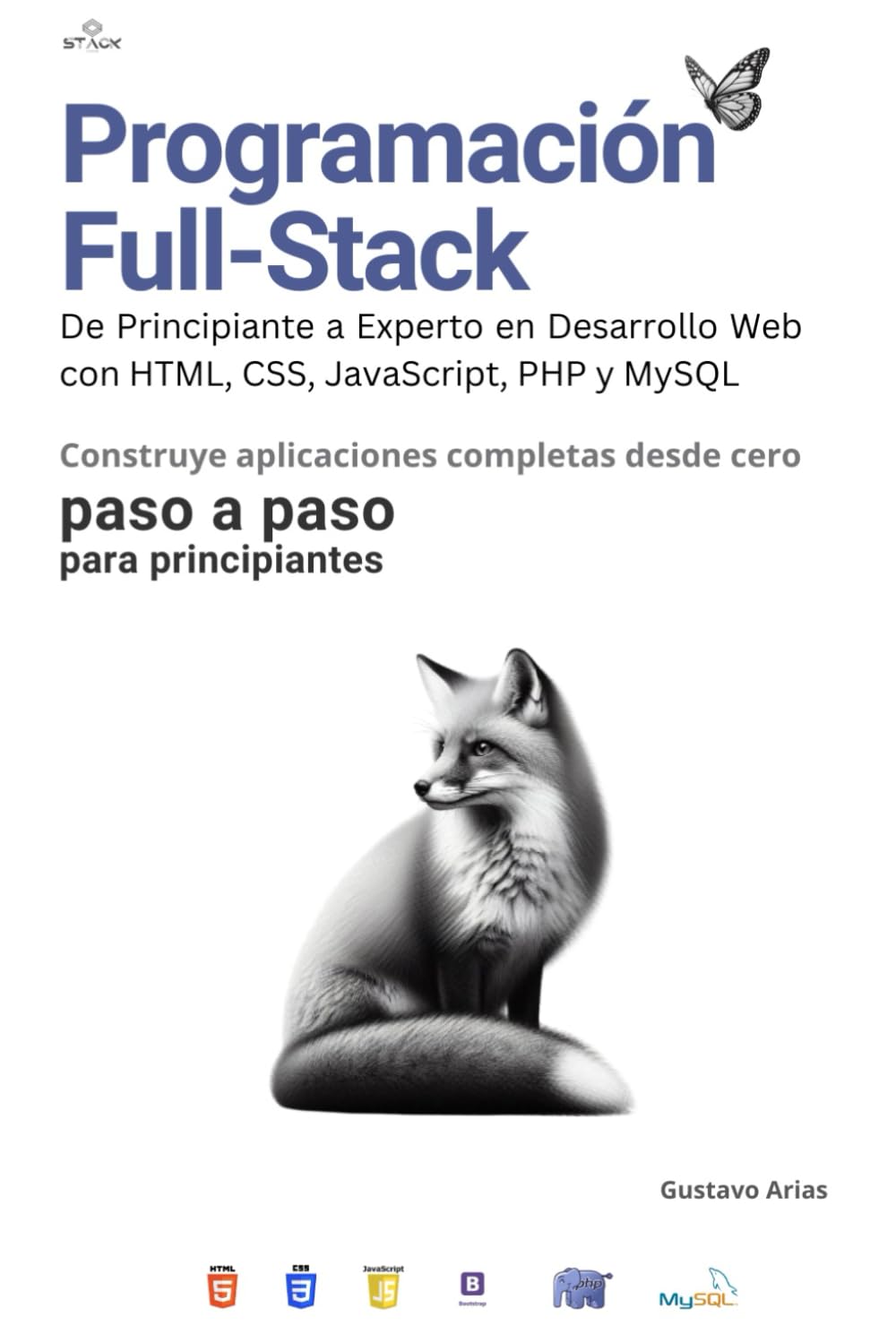
If you’re just stepping into the world of web development, or maybe you are looking to level up from basics to building full-stack applications, the book on full-stack programming is exactly what you need. It takes you from the ground up with HTML and CSS for structuring and styling your web pages, then dives into JavaScript to add interactivity, and rounds it out with PHP and MySQL for handling the backend and databases. Steve McConnell style advice here: think of this as your practical toolkit—don’t just read through it, get your hands dirty by coding along with the examples right away.
One of the best things about this guide is how it bridges the gap for beginners. If you’ve ever felt overwhelmed by all the tech jargon, this book breaks it down into manageable steps. For instance, start with simple HTML projects to build your confidence, then move on to JavaScript for dynamic features like forms and animations. It’s perfect if you are aiming to create real-world apps, like a personal blog or a small e-commerce site.
- Practical tip: As you learn PHP, focus on securing your code against common vulnerabilities—it’s a habit that saves headaches later.
- Don’t skip the MySQL sections; mastering databases early will make you a more complete developer, especially for handling user data efficiently.
- Remember, full-stack development is about connecting the dots—use the book to practice integrating frontend with backend, so you’re not just coding in isolation.
In the spirit of effective software engineering, treat this as a stepping stone. Once you’re comfortable, challenge yourself to tweak the book’s projects or build something original. It’s all about applying what you learn to real scenarios, turning you from a beginner into a pro who can tackle web development head-on.