It’s an interesting time to be a programmer. We stand on mountains of abstraction. With JavaScript, you have an engine like V8 that performs feats of optimization that feel like black magic. You use an `Array` and it just… works. You use a `Map` and it’s fast. But the moment you start working on something non-trivial—a real-time data visualization, a server-side process handling thousands of requests, a complex state management system in a web app—that magic starts to show its seams. Suddenly, performance isn’t a given. It is something you have to design for.
The Zen of Performance in a High-Level World
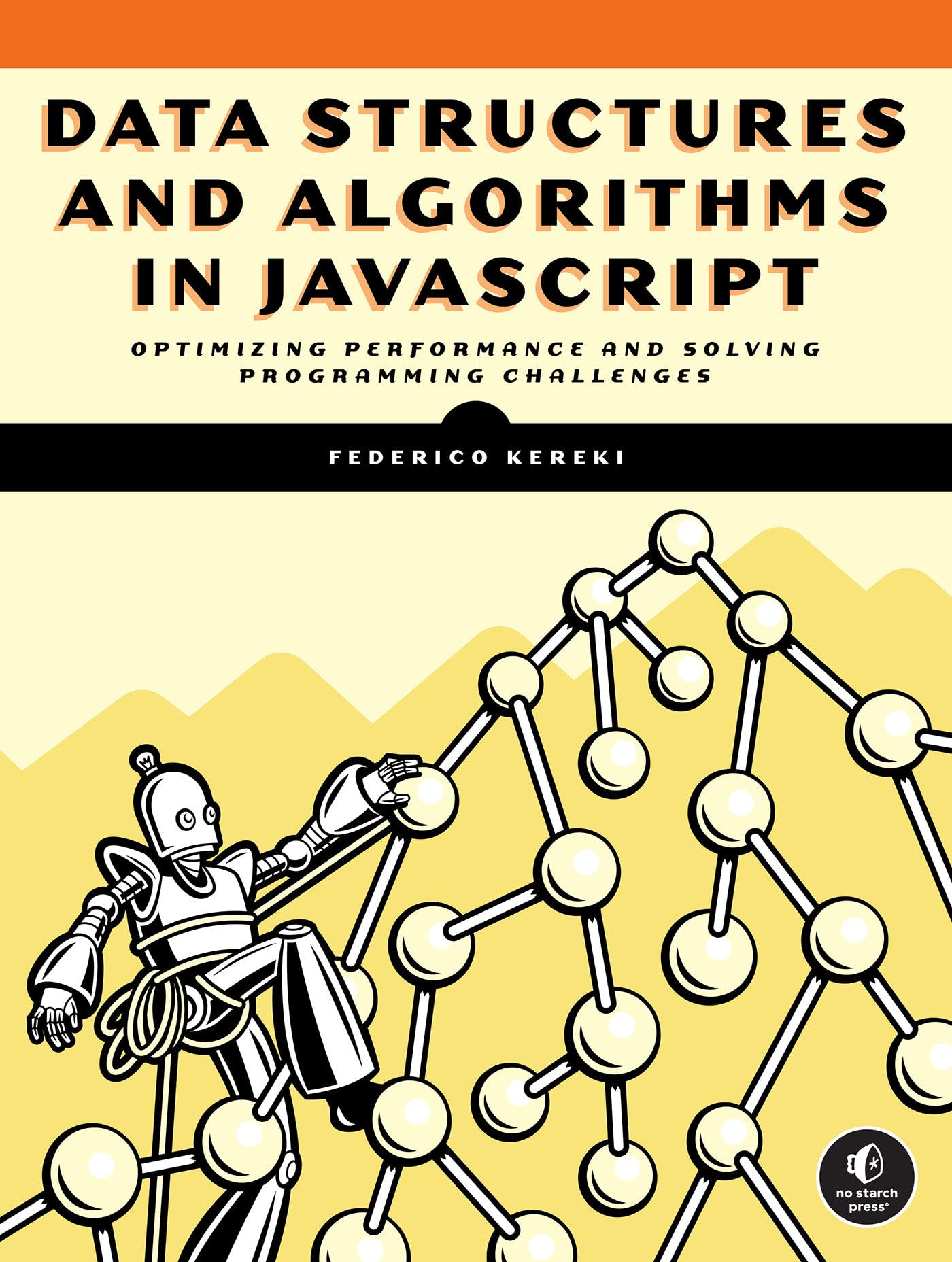
That’s the gap a book like this seems aimed squarely at. The classic texts on this topic were written in the era of C, C++, or Java, where you were much closer to the metal. The real question is, does this stuff still matter when you have a JIT compiler and a garbage collector? The answer is a resounding yes, maybe more than ever. The principles are the same, but the implementation and the performance characteristics are unique to the JavaScript environment.
Understanding data structures and algorithms is about understanding trade-offs. It’s about knowing why iterating over an array of 100,000 items to find something is a bad idea, but more than that, it is about having the mental toolkit to know, instinctively, that a hash map or a tree is the proper tool for the job. It’s about understanding that a particular algorithm might be O(n^2) and what that actually *means* for your user’s experience when ‘n’ gets large. This isn’t academic; it’s the difference between a snappy UI and a sluggish, janky one. It is the difference between a Node.js server that scales and one that falls over.
So, who should be pre-ordering this?
Based on the topic and the publisher’s reputation for quality, deep-dive content (and at a hefty page count, this promises to be thorough), I see a few key people who should be paying close attention:
- The Bootcamp Grad or Self-Taught Developer. You can build things. You know React, you know Express. But you feel that gap in your computer science fundamentals. You’ve heard terms like “Big O,” “linked list,” and “quicksort,” but you don’t *really* get them. This book looks like the bridge from being a “coder” to being a Software Engineer.
- The Mid-Level Developer Hitting a Plateau. Your code works, but you are starting to get feedback about performance. You are running into scaling issues. You want to move from just getting the feature done to building it *right*. That’s the knowledge that will help you architect more robust, efficient systems and level up in your career.
- The Ambitious Coder Preparing for Interviews. Let’s be practical. That is the stuff of technical interviews. But reading a book like this isn’t about memorizing solutions for LeetCode. It’s about deeply understanding the why behind them, so you can solve problems you’ve never seen before. It’s the difference between a passable interview answer and a “we need to hire this person” answer.
This probably isn’t a book for the absolute beginner just learning what a `for` loop is. But if you have the basics of JavaScript down and you are ready to look under the hood of the language and the machine it runs on—to peel back the layers of abstraction and truly understand the craft—this seems like an essential addition to the bookshelf.