Let’s be blunt: most JavaScript code in the wild is a complete mess. It’s a tangled web of quick fixes, half-understood framework patterns, and a “just make it work” attitude that bites you back six months later. You’ve been there. I’ve been there. You come back to a project and can’t even understand your own logic.
The problem isn’t that people are bad programmers. It’s that they were never taught how to write code for other humans—or for their future selves. They know the syntax, but they don’t know the craft.
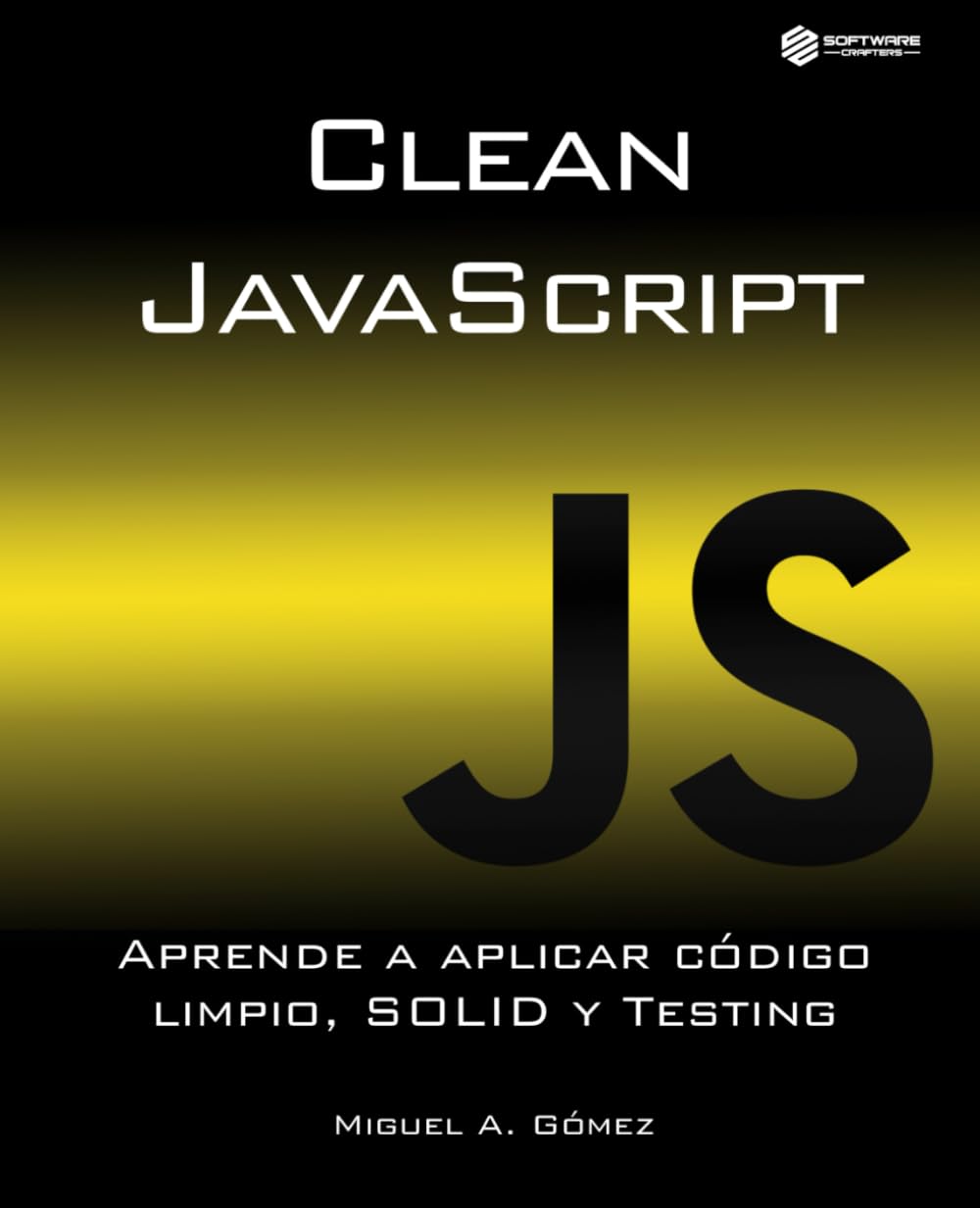
The book seems to cut right through that noise. And at just under 170 pages, it’s not some intimidating computer science encyclopedia. It’s a concentrated dose of pragmatism. You can likely get through it in a weekend, and the return on that time investment will be massive. It’s not about learning a new framework; it’s about learning a better way to think, which will make you better at every framework.
What you’re really learning here
Forget the buzzwords for a second. The book is about making your code sustainable. It focuses on a few core pillars:
- Código Limpio (Clean Code): This is the foundation. It’s about writing code that’s self-explanatory. Sensible variable names, short functions that do one thing, and a clear structure. This isn’t about appeasing some linter; it is about reducing the cognitive load for anyone who has to touch your code next. Including you.
- SOLID: Okay, let’s be real. The SOLID principles can be turned into an academic, dogmatic mess that leads to over-engineering. But the core ideas are sound if you apply them with common sense. The goal isn’t to build a perfectly abstract enterprise-grade system for your to-do list app. The goal is to use these principles as a guide to write code that’s easier to change without breaking everything. View them as tools, not as a religion. The book appears to treat them as such.
- Testing: Writing tests isn’t about hitting a 100% coverage metric. It’s about confidence. It’s about having the freedom to refactor and improve your code without constantly worrying that you’re secretly breaking something. Good tests are the safety net that allows you to be aggressive with improvements.
So, who should actually read this?
That’s not a book for someone who has never written a line of JavaScript. If you’re still figuring out what a variable or a `for` loop is, that’s not your starting point.
This book is for you if:
- You are a junior or mid-level developer who feels like their code is always messy and hard to come back to.
- You’re self-taught and you’ve heard of things like “SOLID” but have no idea how to apply them in a practical, non-academic way.
- You’ve been programming for a while but feel like you’ve hit a plateau, where you can build things, but you know the quality isn’t where it should be.
And obviously, you need to be fluent in Spanish. If you’re, that is a fantastic, concise resource that the English-speaking world has plenty of, but are harder to find with this level of focus for the Spanish-speaking community.
Stop writing code that your future self will curse you for. Pick up the fundamentals of clean architecture. It’s a small investment of time for a career’s worth of sanity.