When you define a function in JavaScript, you are setting up a blueprint for what that function can do. But one of the most interesting aspects of functions is how they handle parameters. Parameters are basically placeholders for values that you can pass into your functions when you call them.
To define parameters, you simply list them in the parentheses of the function declaration. For example:
function add(a, b) {
  return a + b;
}
Here, a and b are parameters that represent the two numbers you want to add. When you call this function, you can provide actual values:
let sum = add(5, 3); // sum will be 8
This is simpler, but there are some subtleties worth noting. For instance, JavaScript functions are quite flexible with the number of arguments you can pass. If you call a function with fewer arguments than parameters, the missing parameters will be undefined:
let result = add(5); // result will be NaN because b is undefined
Conversely, if you pass more arguments than the function has parameters, the extra arguments will be ignored:
let total = add(5, 3, 10); // total will still be 8
This flexibility can lead to some interesting patterns. You might want to handle cases where parameters are missing or deal with a variable number of parameters. In such cases, the rest parameter syntax can be a lifesaver. By using ... before a parameter name, you can capture all remaining arguments as an array:
function sumAll(...numbers) {
  return numbers.reduce((acc, num) => acc + num, 0);
}
Now, you can call sumAll with any number of arguments:
let totalSum = sumAll(1, 2, 3, 4, 5); // totalSum will be 15
This capability to handle a dynamic number of parameters can be particularly useful when you are not sure how many arguments you will receive. But you also want to be careful with how you handle these parameters. For instance, if you want to ensure that the function behaves correctly, you might want to validate the inputs:
function safeAdd(...numbers) {
  if (numbers.length === 0) return 0;
  return numbers.reduce((acc, num) => {
    if (typeof num !== 'number') {
      throw new Error('All arguments must be numbers');
    }
    return acc + num;
  }, 0);
}
This function will throw an error if any of the arguments are not numbers, which is a good practice in robust programming. So, as you can see, understanding how to work with function parameters in JavaScript opens up a lot of possibilities. You can create more flexible and powerful functions that adapt to the needs of the caller. It’s not just about adding numbers; it’s about making your code resilient and maintainable.
Another aspect to consider is default parameters. JavaScript allows you to set default values for parameters, which can simplify your code when certain values are not provided:
function multiply(a, b = 1) {
  return a * b;
}
In this case, if you call multiply(5), it will return 5 instead of NaN, because b defaults to 1. Default parameters can make your functions more effortless to handle and reduce the need for additional checks. However, remember that these defaults are only applied if the parameter is undefined, not if it’s explicitly set to null or any other value.
As you dive deeper into JavaScript, you’ll find that mastering function parameters is essential for writing clean, effective code. The way you handle them can drastically change how your functions behave and how easily they can be reused. So, take the time to experiment with these concepts and see how they fit into your coding style. You might be surprised by the patterns you discover and the clarity they bring to your functions. Understanding this aspect of JavaScript can make you a better programmer overall, and it’s definitely worth exploring further…

Smiling 2 Pack Case Compatible with Apple Watch SE 3 (2025)/ SE 2/ SE/Series 6/5/4 44mm with Tempered Glass Screen Protector, Hard PC Case Overall Protective Cover - Black
$6.99 (as of July 20, 2026 03:55 GMT +00:00 - More infoProduct prices and availability are accurate as of the date/time indicated and are subject to change. Any price and availability information displayed on [relevant Amazon Site(s), as applicable] at the time of purchase will apply to the purchase of this product.)Common patterns for passing parameters
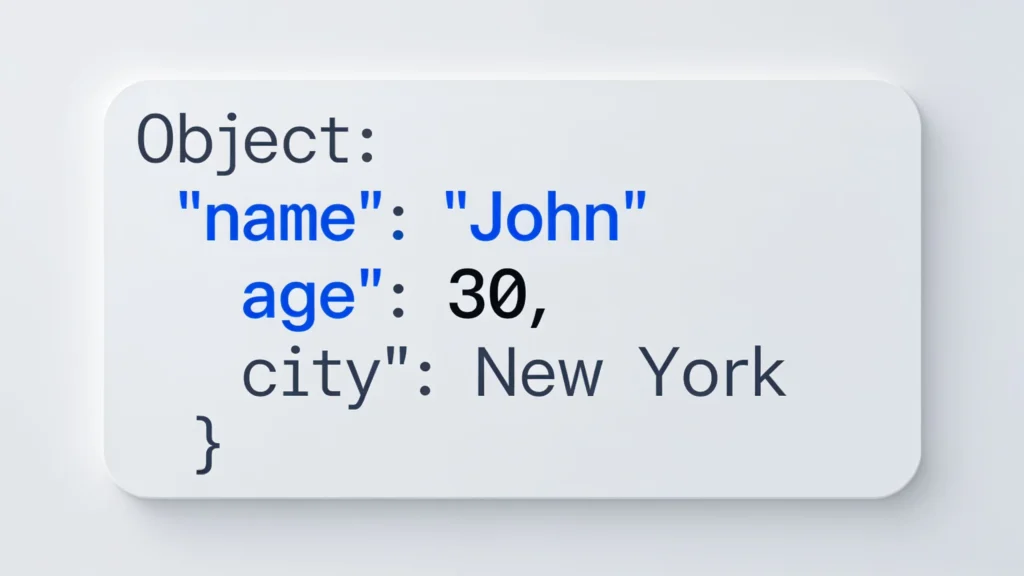
One common pattern for passing parameters is the use of an options object. Instead of passing multiple parameters, you can pass a single object that contains all the necessary options. This approach is particularly useful when you have functions with many optional parameters or configurations.
function createUser({ name, age, email }) {
  return {
    name,
    age,
    email,
    createdAt: new Date(),
  };
}
In this example, you can call createUser with an object that describes the user:
let user = createUser({ name: 'Alice', age: 30, email: '[email protected]' });
This pattern not only makes the function calls cleaner but also allows you to easily extend the function in the future. If you need to add more parameters later, you can simply add them to the object without changing the function signature.
Another useful technique is destructuring parameters directly in the function definition. This allows you to extract values from an object or an array right in the parameter list, making your code more concise:
function logUser({ name, age }) {
  console.log(User: ${name}, Age: ${age});
}
When you call logUser, you can pass the entire user object, and the function will automatically extract the name and age properties:
logUser({ name: 'Bob', age: 25 });
For functions that require a combination of mandatory and optional parameters, you can still use the options object pattern while providing default values. This method combines the advantages of both default parameters and the flexibility of an object:
function configure({ theme = 'light', language = 'en' } = {}) {
  console.log(Theme: ${theme}, Language: ${language});
}
By setting default values for the properties of the options object, you can ensure that your function behaves predictably even if some values are omitted:
configure({ theme: 'dark' }); // Theme: dark, Language: en
configure(); // Theme: light, Language: en
Additionally, consider using the spread operator when dealing with objects. It allows you to easily merge objects or add new properties without mutating the original object:
function updateUser(user, updates) {
  return { ...user, ...updates };
}
In this case, you can call updateUser to create a new user object with updated properties:
let updatedUser = updateUser(user, { age: 31 });
This pattern is particularly powerful because it maintains immutability, which is a key principle in functional programming. You can create new objects based on existing ones without altering the original data.
These patterns for passing parameters not only enhance the readability of your code but also provide greater flexibility and maintainability. By using objects, destructuring, and the spread operator, you can write functions that are easier to use and adapt as your application grows. Embracing these techniques will lead to cleaner, more efficient code that scales well over time.